Before you improve a service or product, you need to understand how it is truly experienced. We help you see your organisation through the eyes of your users, mapping the full journey across systems, departments and touch points. Through qualitative research, observation and co-creation, we uncover pain points, identify unmet needs and surface the root causes of friction. This creates a shared understanding across teams and provides a strong foundation for making targeted, meaningful improvements.

We take you from fuzzy idea to sharp, shippable product. Clear positioning, frictionless flows, and standout UX & UI, designed to convert, retain, and scale. You’ll get fast iterations, decisive direction, and design that’s ready for engineering.
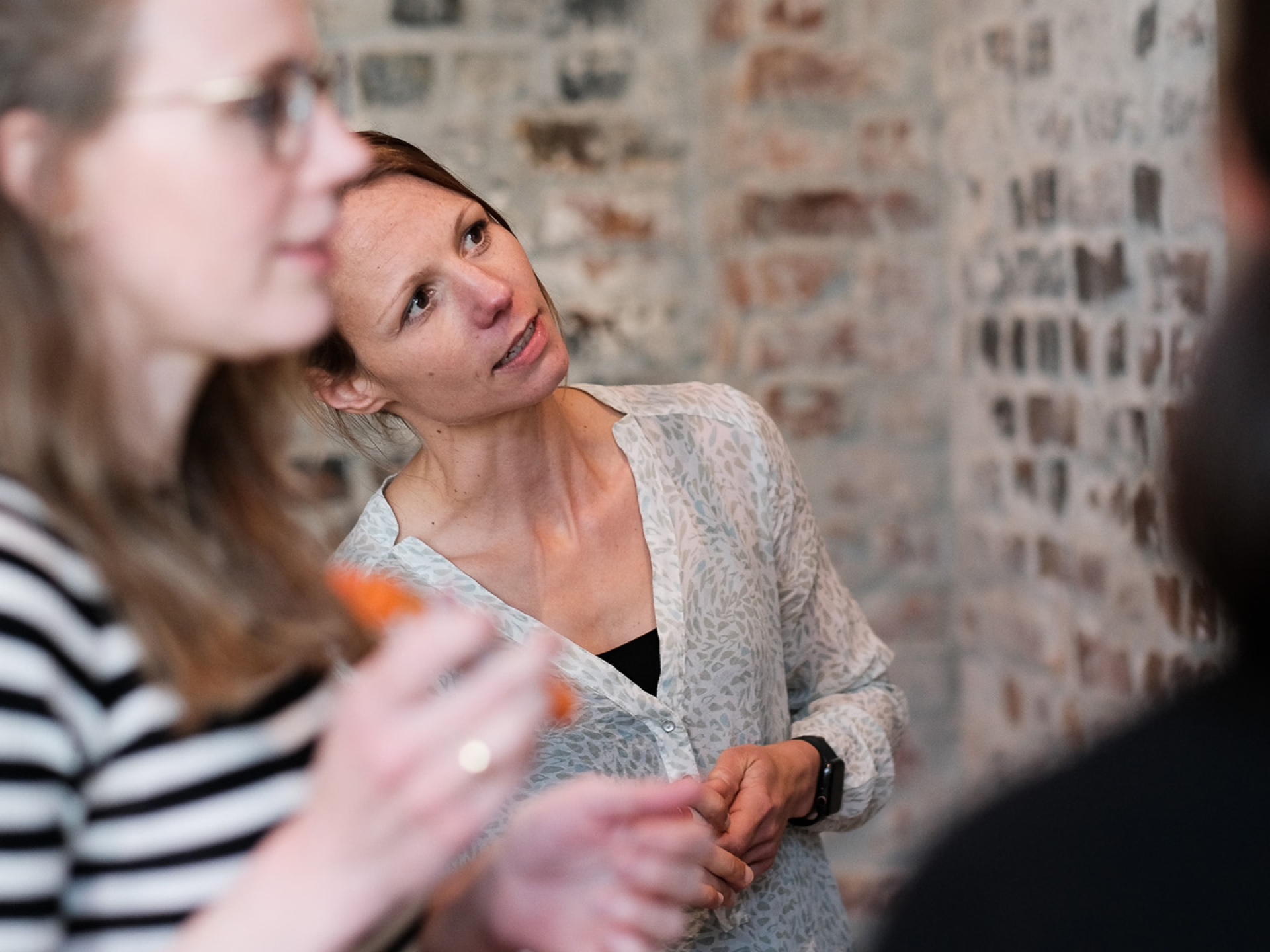
We map your entire service—from customer touchpoints to internal workflows, so the experience feels seamless and the operation runs smoothly. Ideal for improving handoffs, removing friction, and aligning teams around a service blueprint that’s practical to deliver.
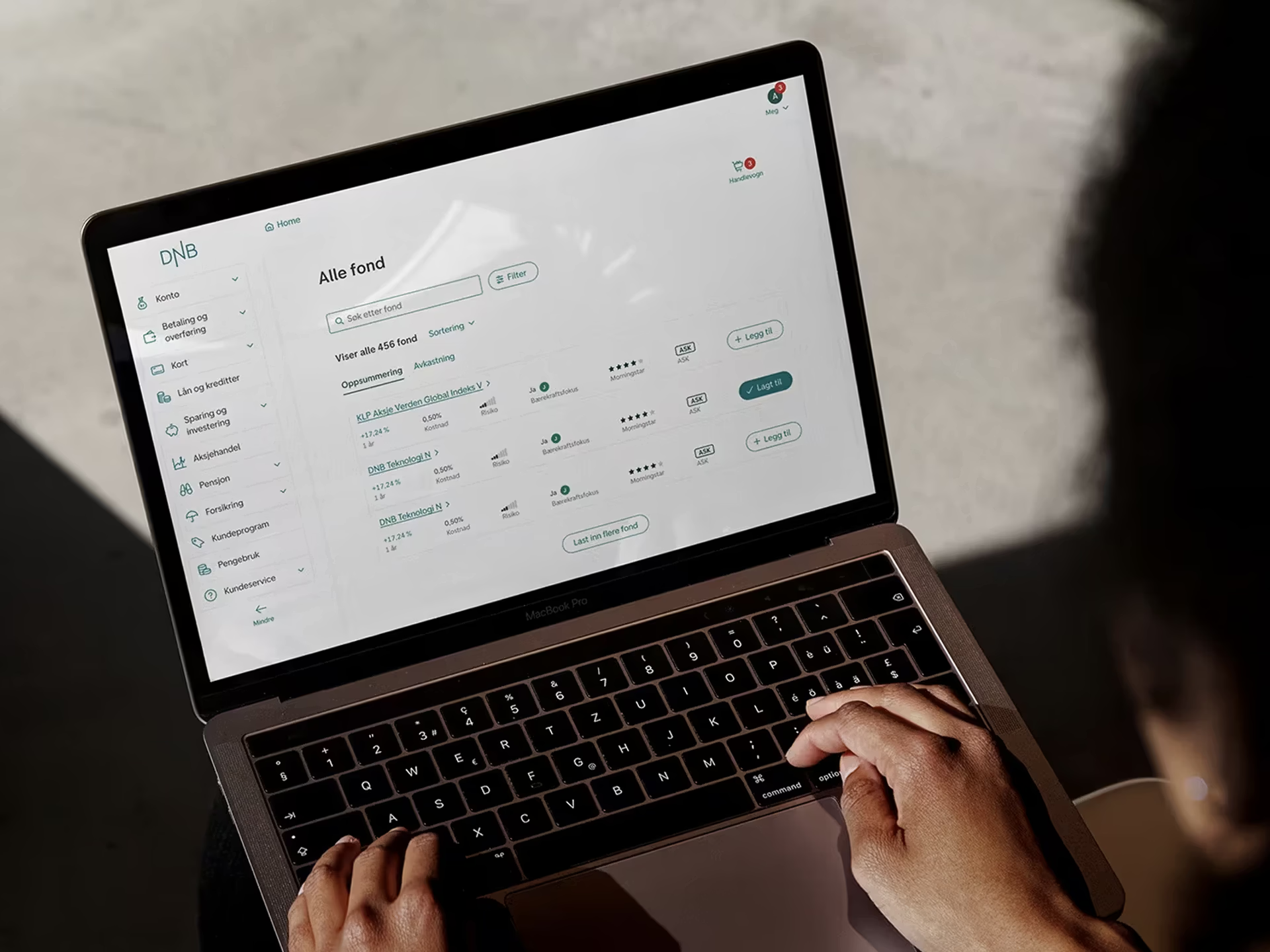
New systems fail when old habits win. That’s where we Canoe come in. We guide teams through transformation with a practical focus on behaviours, mindset shifts, and implementation grit. Less post-its, more doing. Because the future isn’t a strategy deck, it’s what people do on Monday.
Designing effective services and products takes more than creativity. It takes structure, clarity and deep insight into the systems and people involved.
We start by mapping how things really work today: how customers experience your services, how work flows across systems and departments, and where friction shows up. From there, we design and test solutions that:














Great ideas fall short when they are disconnected from how people work and what they need. At Canoe, we design with the full context in mind: technical, organisational and behavioural.
Canoe’s Digital Product & Service Design approach ties every step to three anchors:
We pay close attention to the gaps between strategy, design and delivery. Work across them with cross‑disciplinary teams. Over time, you build organisational capability: teams who can spot real user problems, experiment with better experiences and implement solutions that actually get used in the wild.
Several leaders across the digital organisations in Equinor highlighted project Storm, as a best‑practice example of how strong end‑user engagement and thoughtful design can significantly elevate project outcomes. The approach is setting the bar and should be pushed even further.

Canoe has supported ERC with design services for several years, providing highly competent advice when we needed it. Their flexibility, strategic insight, and ability to adapt to changing needs have been crucial to the good results. A trusted partner we truly value.
The agile working methodology has enabled us to execute with a truly integrated partner team, continuous testing and embracing new data creating Next-Gen RAS
Kolumbus has worked with Canoe developing our cultural building project "KULtur”. Through the entire process we have benefited from a brilliant service attitude and an ability to turn around quickly when needed!
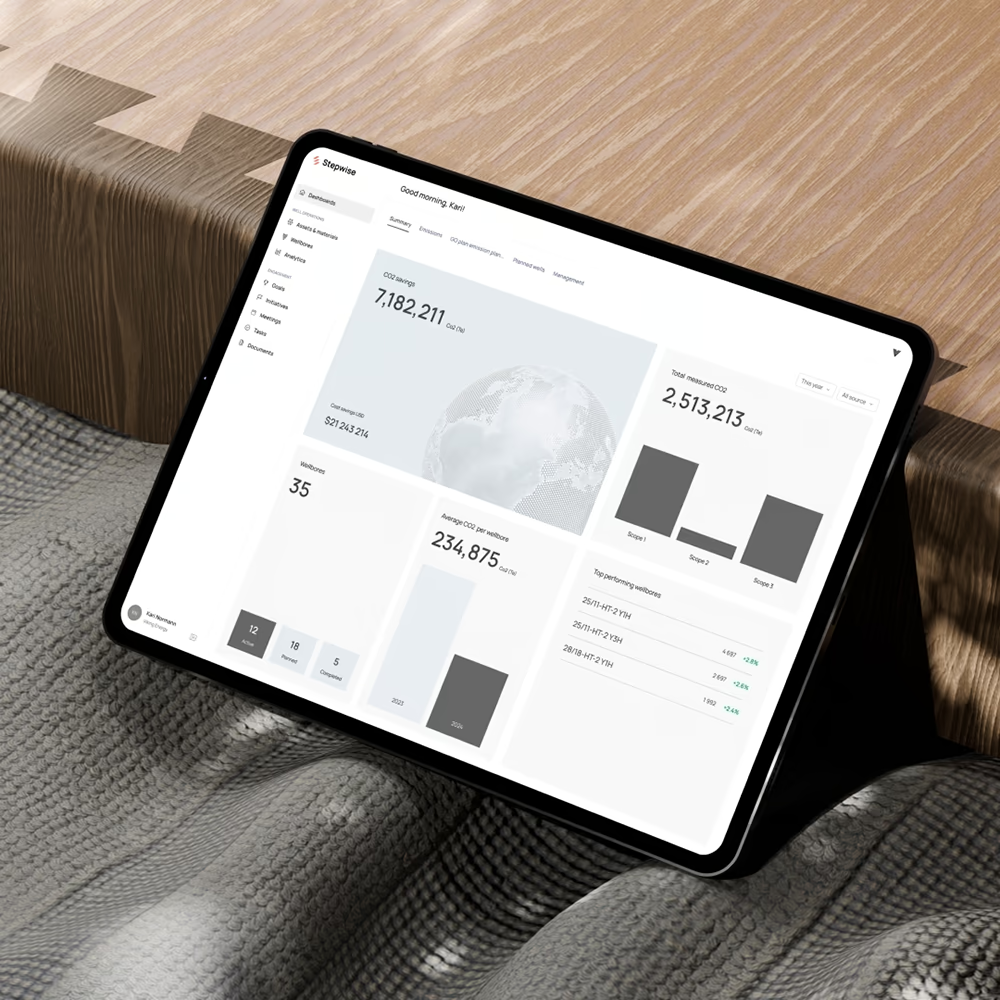
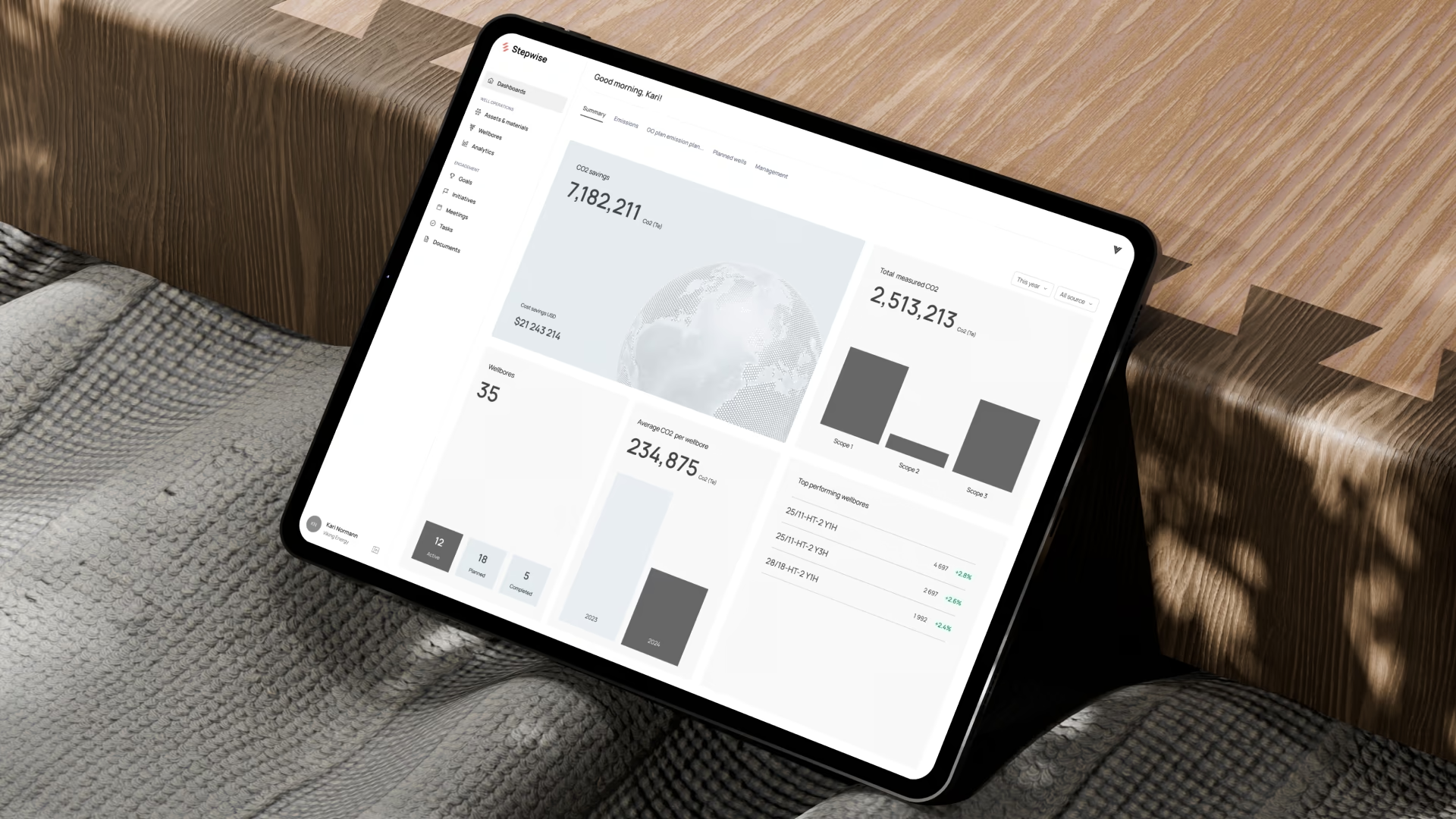
We simply would not be where we are without them. From day one, they brought clarity to roles, aligned our product architecture with how people actually work, and built real momentum through rapid prototyping and strategy sessions. Their support with DevOps and ISO 27001 gave us the confidence to grow safely. They make you feel like their only customer, no fuss, they simply deliver. I've seen billion-dollar companies that don't achieve the same quality of work. Most importantly, they've become genuine friends and a real part of the Stepwise family.
UX-bidraget har gjort samarbeidet i teamet mer effektivt og helhetlig. Gjennom god kartlegging av prosesser og behov har det vært enkelt å jobbe tett sammen mellom design og utvikling, med en tydelig og sømløs overgang fra innsikt til konkrete design/prosess løsninger. Prosessene har blitt klarere uten å bli tunge, noe som har gitt bedre flyt og høyere kvalitet i leveransene.