Equinor
Design-led product management for Storm’s continuous improvement
Embedding design thinking into the heart of Equinor's offshore wind operations.
sector
Services
The challenge
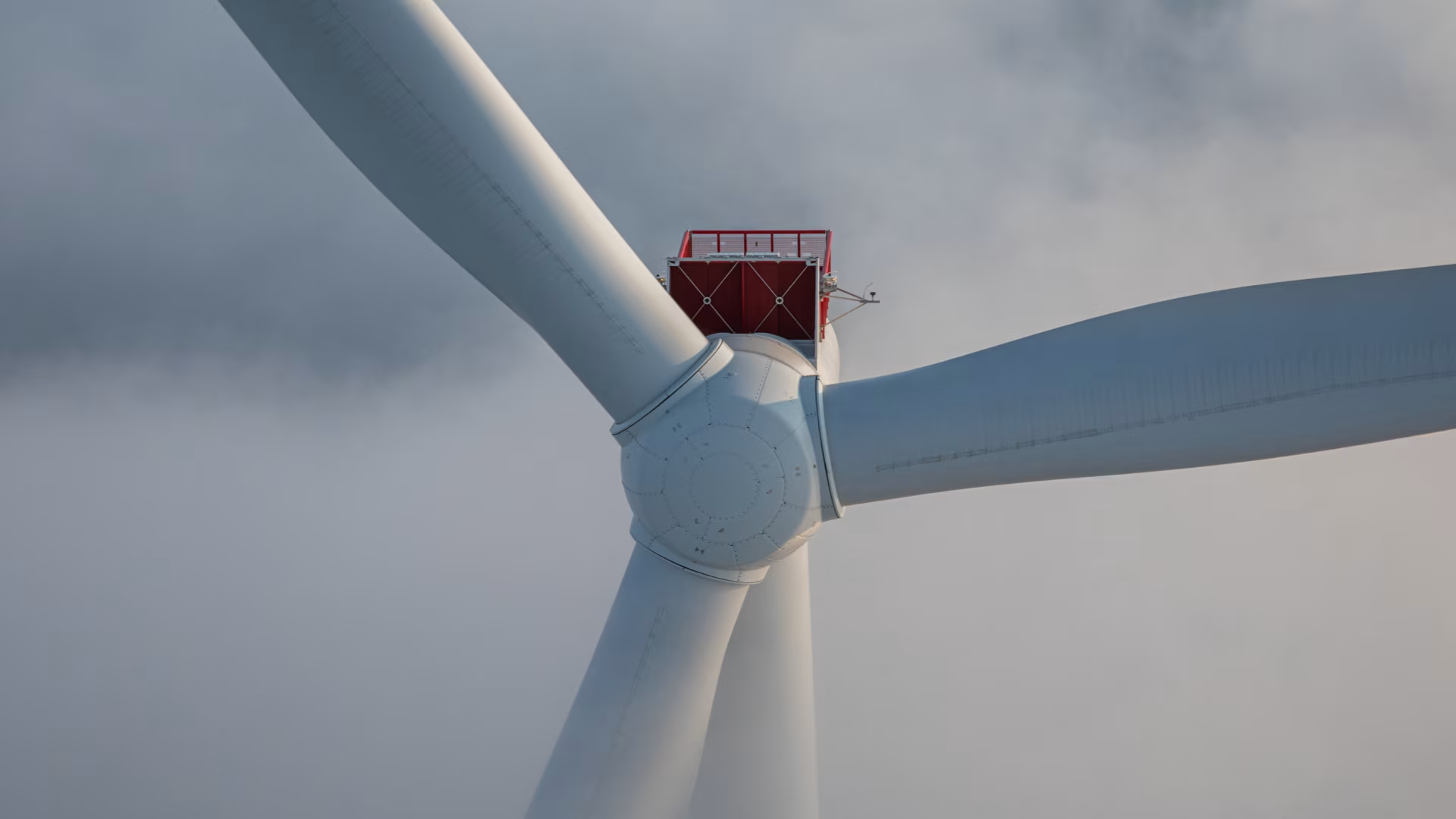
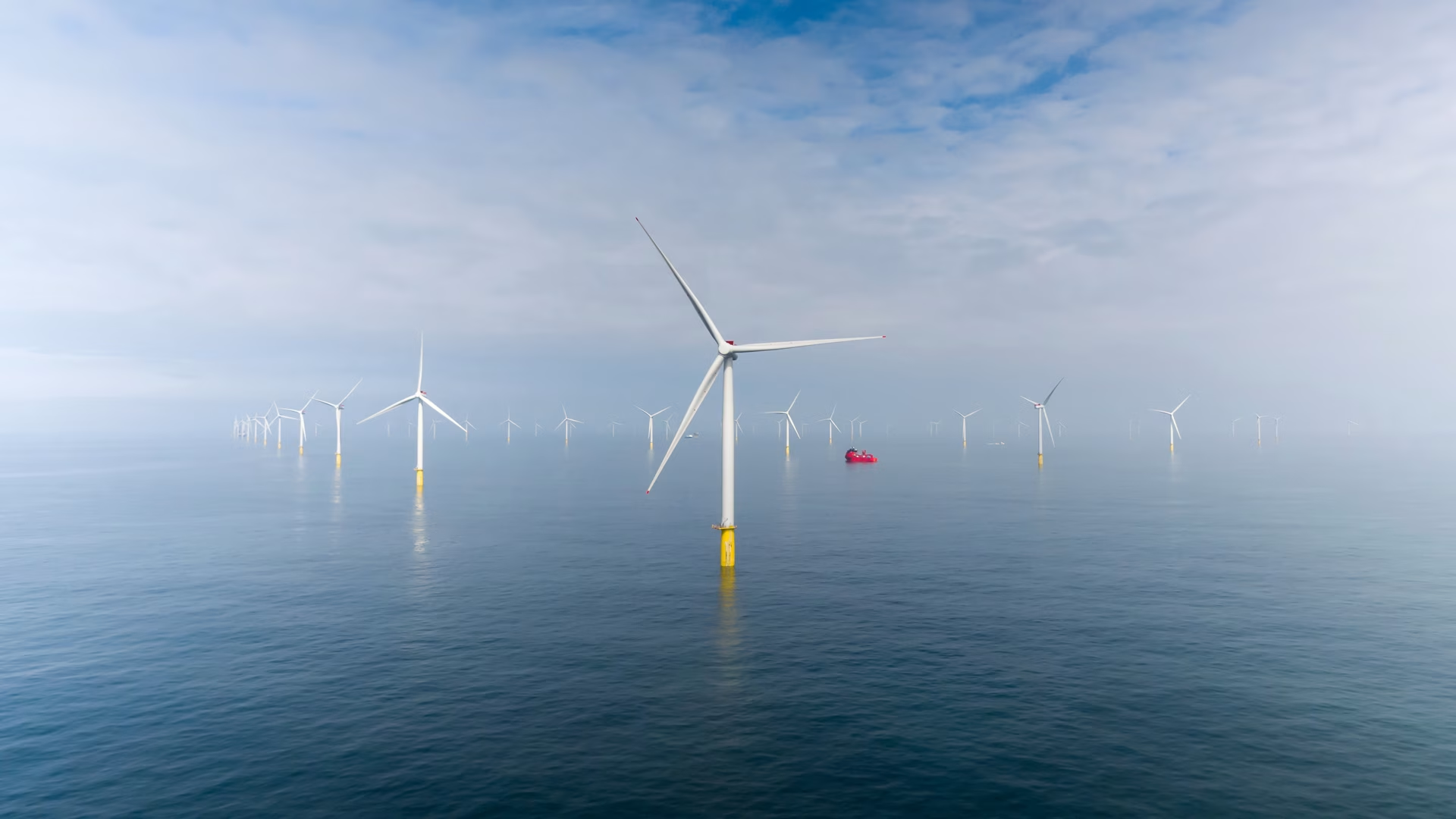
One of the key challenges of running offshore wind farms is actually making a profit. Equinor saw that improving how wind farms are operated and maintained, and extending their lifetime, was crucial for better profitability, and therefore built Storm – an internal tool for offshore wind.
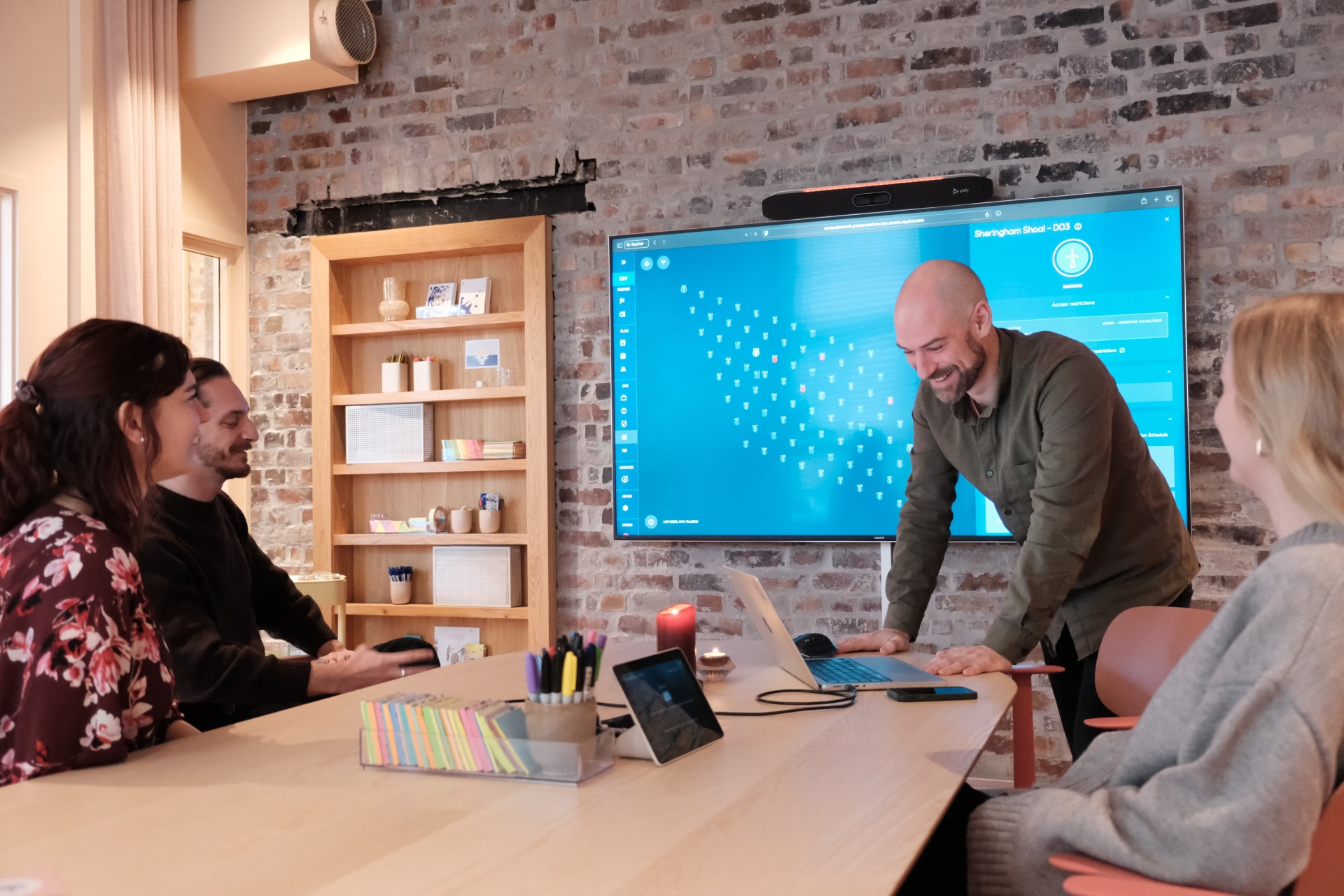
Storm is a data-driven tool for technicians, engineers and other wind farm employees. It presents data in a meaningful way to support day-to-day decisions, focusing on three main areas: using machine learning to detect failures before they happen, planning operations to minimise downtime, and executing work safely and efficiently.
How we worked
Canoe is supporting Equinor with design leadership for Storm, joining the product leadership team and leading designers across multiple product teams. Canoe works closely with product managers and business owners to help teams prioritise, set clear goals and keep work tied to business value. Teams are upskilled to use an outcome-focused approach rather than a feature focus, and to work with continuous discovery using Opportunity-Solution Trees and riskiest-assumption testing to compare opportunities, develop solution options and choose low-risk ways forward.
Canoe also helps establish a more consistent and modern software design as Storm evolves from a single stand-alone tool into a suite of applications. The design team is moving Storm from custom components to Equinor’s internal design system and sets up standardised templates, responsive design principles and reusable design patterns and flows. This created a more cohesive user experience across applications and enables design and development to move faster.


Impact
Storm’s impact has extended beyond the product itself by shaping how discovery and user engagement are understood and practised across Equinor. The team’s approach to ongoing discovery, regular end-user touchpoints, continuous validation of assumptions, and design-led framing of problems, has been shared with senior stakeholders outside the REN digital portfolio as a concrete way to strengthen early-phase decision-making. For leaders who have struggled to establish consistent user interaction in their own initiatives, Storm has provided a practical model for what “good” looks like: structured contact with real users, a clear cadence for feedback, and a way of translating operational insight into actionable product direction.
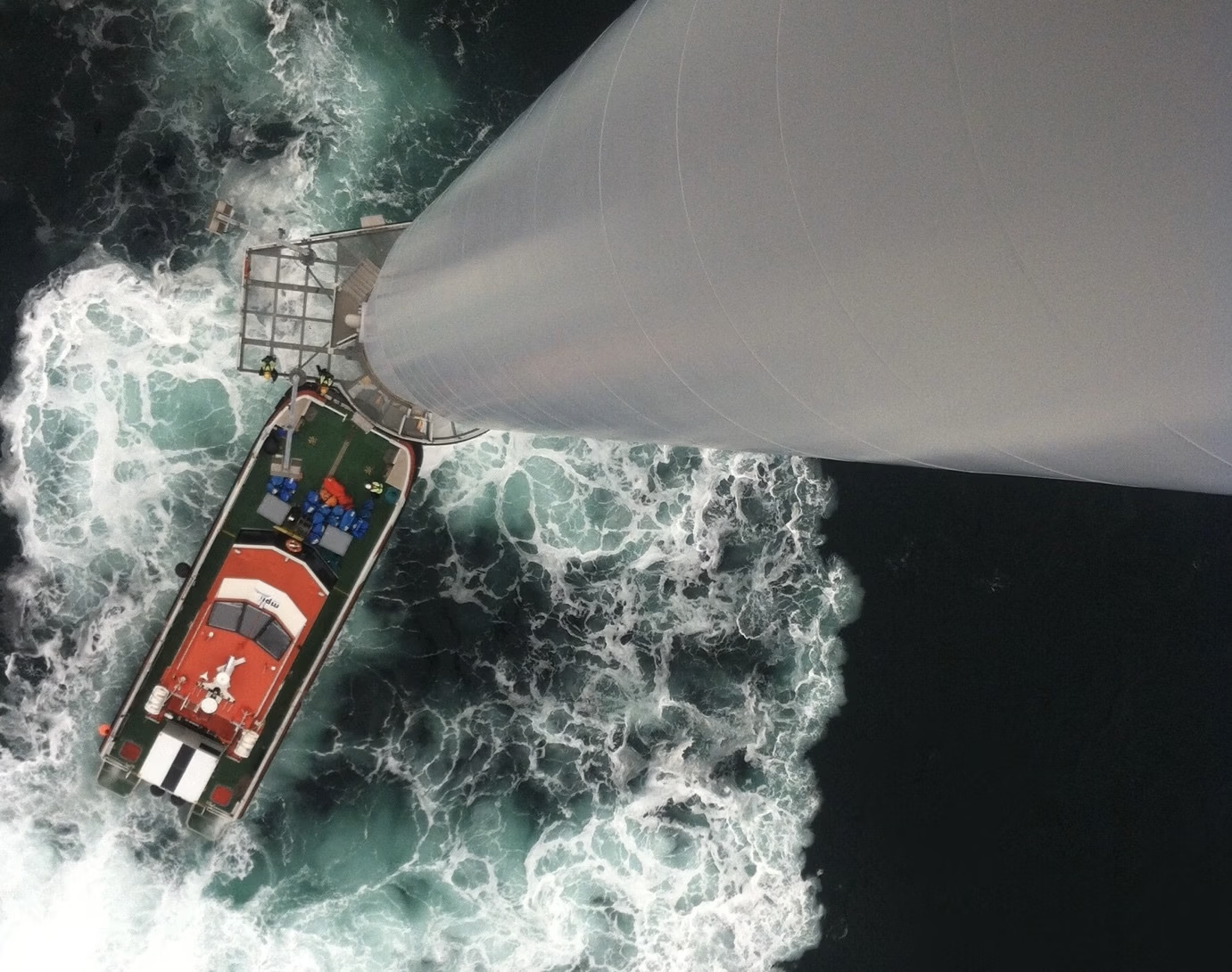
This has also helped reinforce the value of investing in design capability as a core part of delivery, not as a final polish. The approach has made collaboration across disciplines more deliberate, bringing designers, product leads, and developers into a shared direction earlier, and making it easier to align priorities around the most meaningful operational pain points. It has also increased the pull for development teams to stay closer to the context of use, with more emphasis on joining site visits and engaging directly with offshore realities so that day-to-day constraints and workflows remain visible throughout delivery.
Why Canoe
Equinor needed product leadership that who understood both complex industrial operations and modern digital product practices.Canoe combined deep UX and product management expertise with knowledge of offshore operations.
Several leaders across the digital organisations in Equinor highlighted project Storm, as a best‑practice example of how strong end‑user engagement and thoughtful design can significantly elevate project outcomes. The approach is setting the bar and should be pushed even further.