Kriminalomsorgen
Smarter case management across justice agencies
From manual routines to structured data sharing
sector
Services

The challenge
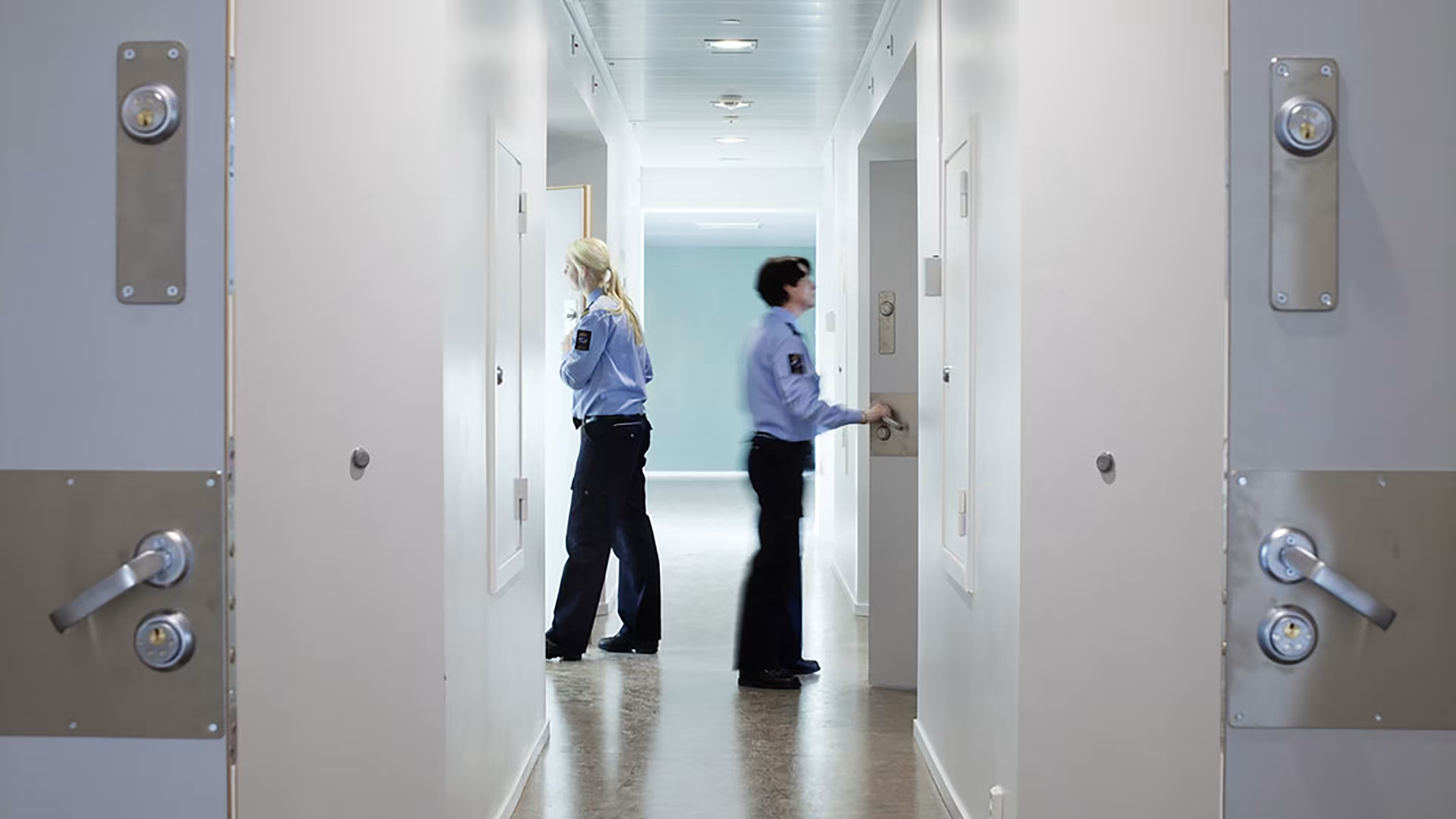
Workflows between the police, the courts, and the Norwegian Correctional Service have long relied on phone calls, emails, and paper forms. Making collaboration slow and prone to errors. Internally, fragmented systems and manual routines make it difficult to ensure accurate information, good data quality, and efficient case handling.
To strengthen cooperation and legal certainty, the justice sector needs solutions that can send and receive structured information securely and consistently across agencies and within the organisation.
What we did
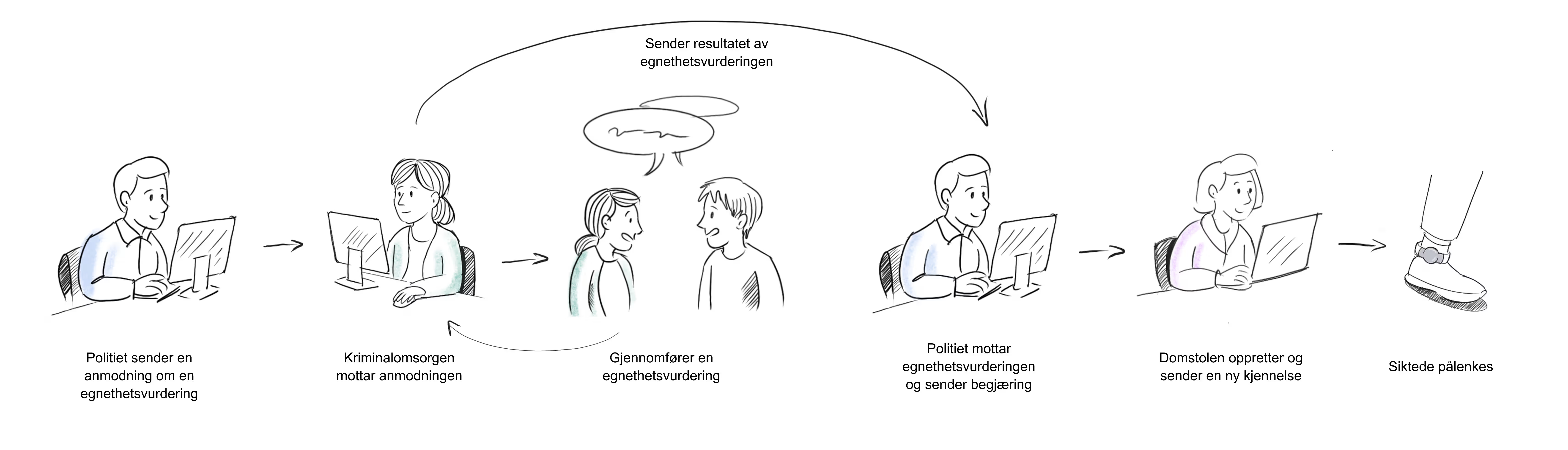
Together with the Norwegian Correctional Service, we have helped develop digital solutions and work processes that enable structured data sharing and smoother collaboration across the criminal justice chain. Through service design, user research, process mapping, and UX design, we have worked closely with domain experts and end users to understand real workflows and turn complex legal and operational needs into usable digital tools. The work includes processes such as custody orders, pre-sentence investigations, and urine testing — where structured data and secure information flow are key to quality and efficiency.






Impact
- Standardised data and improved information flow across the justice chain.
- Faster, safer collaboration between police, courts and the Correctional Service.
- Better‑informed decisions based on reliable, structured data and reduced administrative burden on staff.
- Improved efficiency and quality in case handling within a highly regulated public sector environment.
Why Canoe
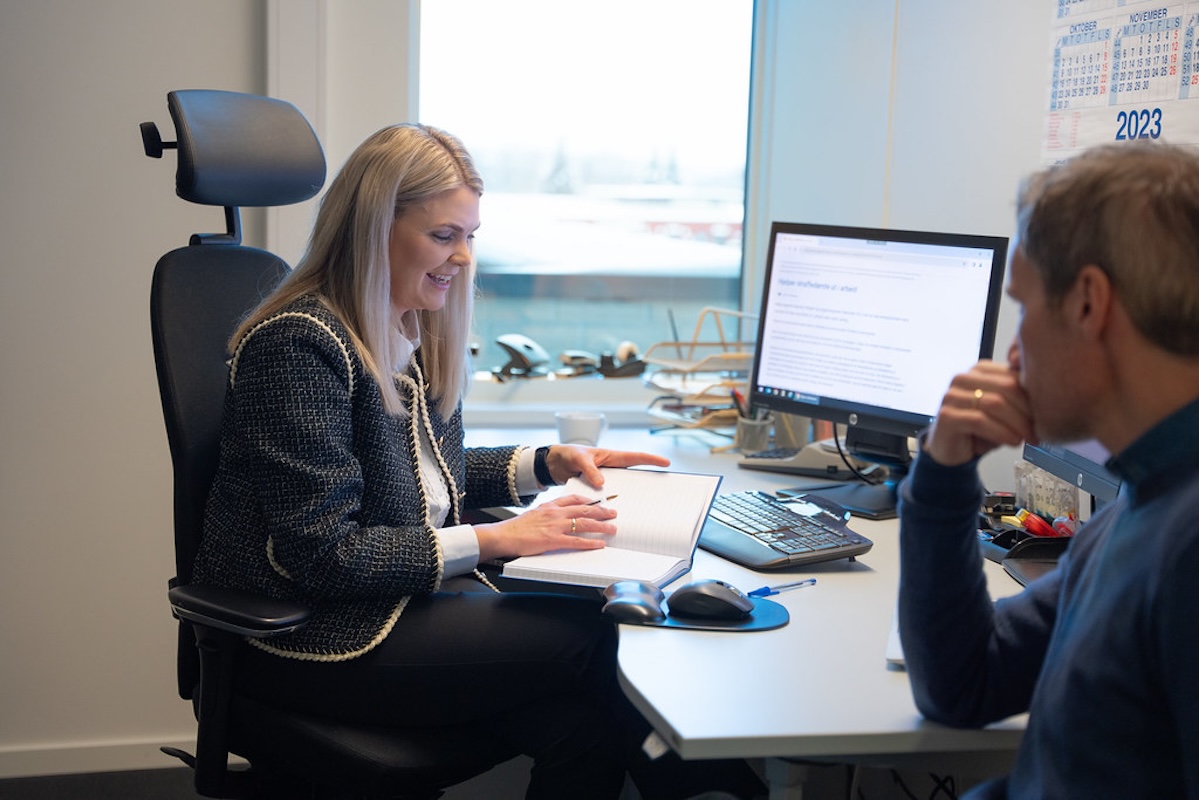
Kriminalomsorgen needed designers who could navigate complex legal frameworks while co‑creating practical tools with frontline staff. Canoe combined service and product design expertise with deep understanding of public‑sector constraints, creating digital workflows that are both compliant and workable in everyday justice operations
UX-bidraget har gjort samarbeidet i teamet mer effektivt og helhetlig. Gjennom god kartlegging av prosesser og behov har det vært enkelt å jobbe tett sammen mellom design og utvikling, med en tydelig og sømløs overgang fra innsikt til konkrete design/prosess løsninger. Prosessene har blitt klarere uten å bli tunge, noe som har gitt bedre flyt og høyere kvalitet i leveransene.